Tamarindo is a touristy little coastal town in the northwest of Costa Rica.
It teems with surfers, boards on their shoulders, and bars that open well before evening sets in.
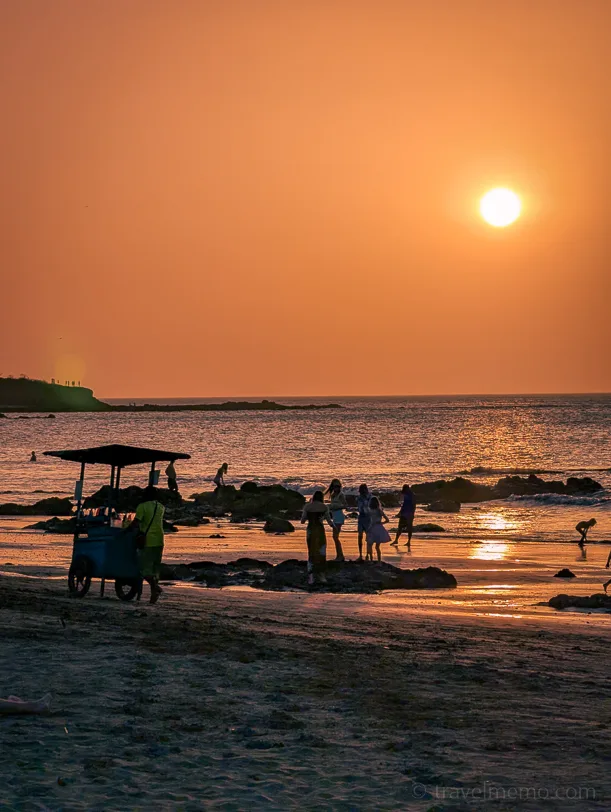
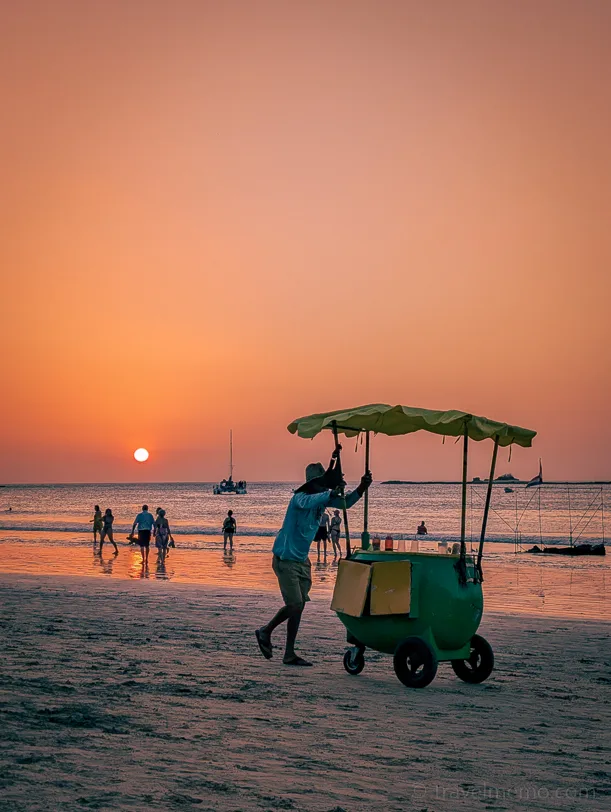
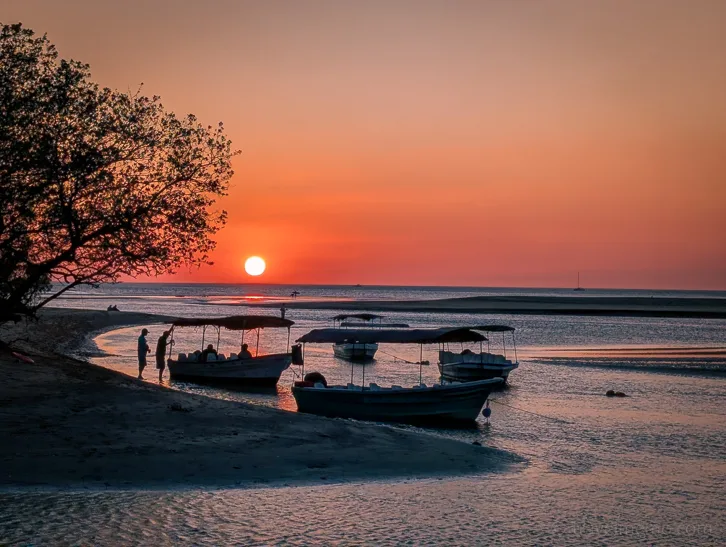
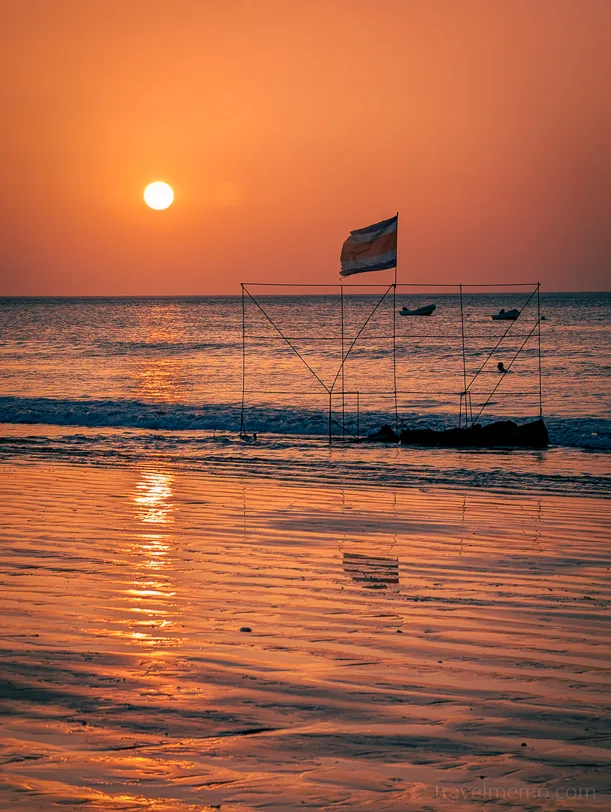
Later in the evening, the sun-worshipper community gathers on the beach for the daily sunset.
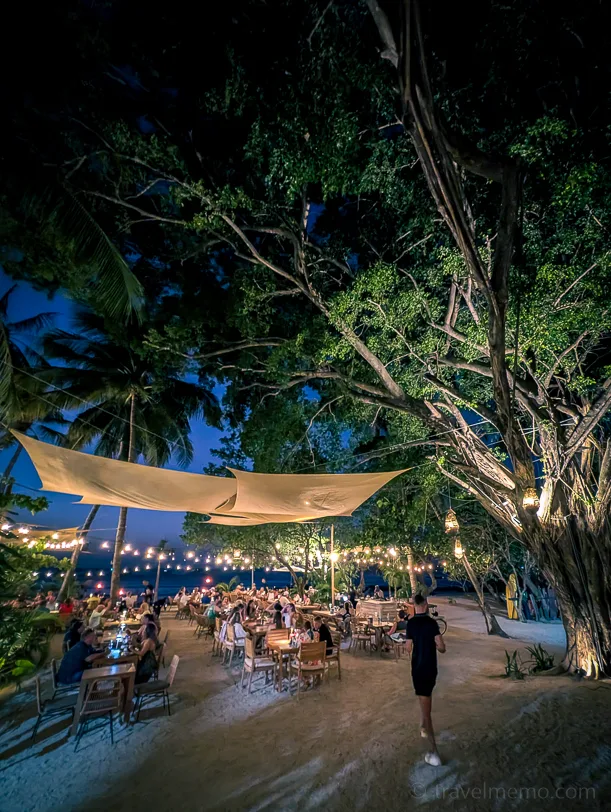
From there it flows seamlessly into the beach clubs right on the sand.
For those with a reservation, that is. By the second evening, we manage that too…
In Tamarindo you’ll find endless sandy beaches, golden hues in the sky, music drifting from somewhere, and that laid-back Pura Vida mood.
Tamarindo is touristy. It knows it. And somehow that doesn’t bother anyone.
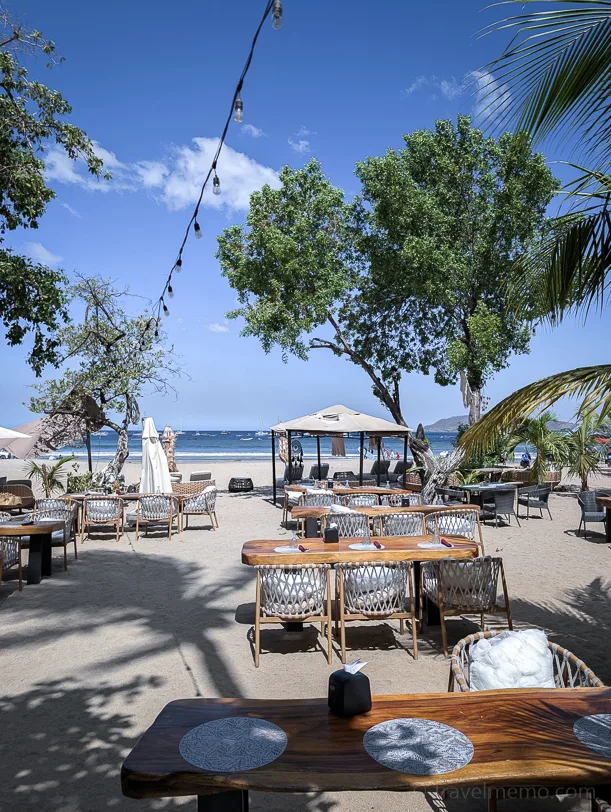
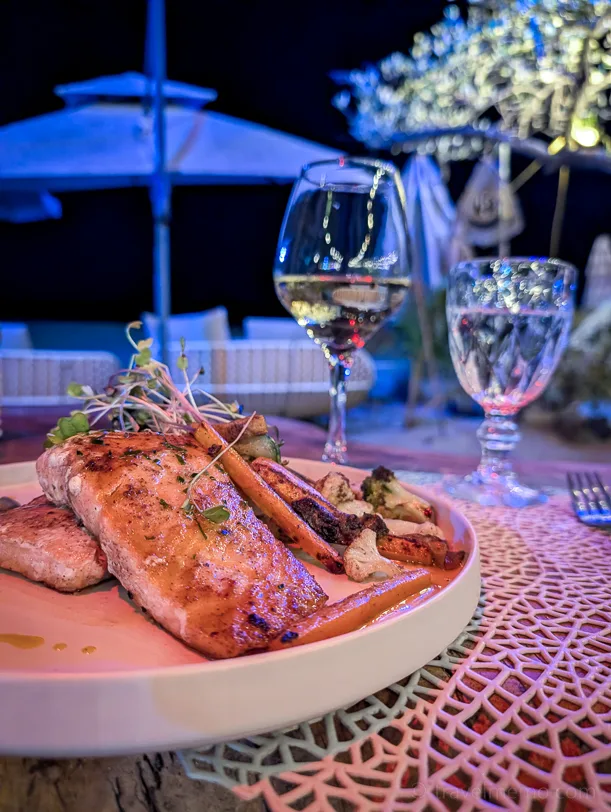
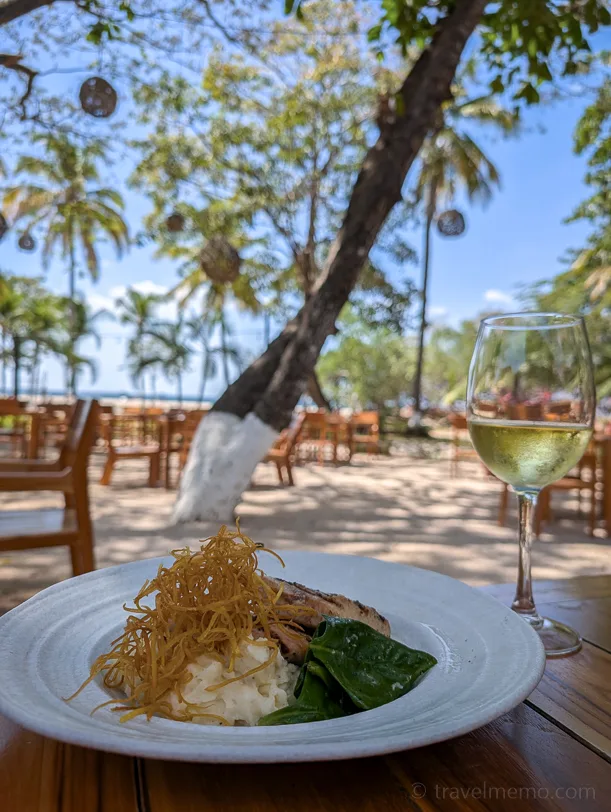
We certainly love it: a fish dish in the half-shade of the Agua Salada restaurant is heavenly. And not the least bit oversalted, as the name might suggest.
Just a few meters away lies the Las Baulas National Marine Park. Here things move at a gentler pace: quiet channels instead of waves. Mangroves instead of beach. Stillness instead of buzz.
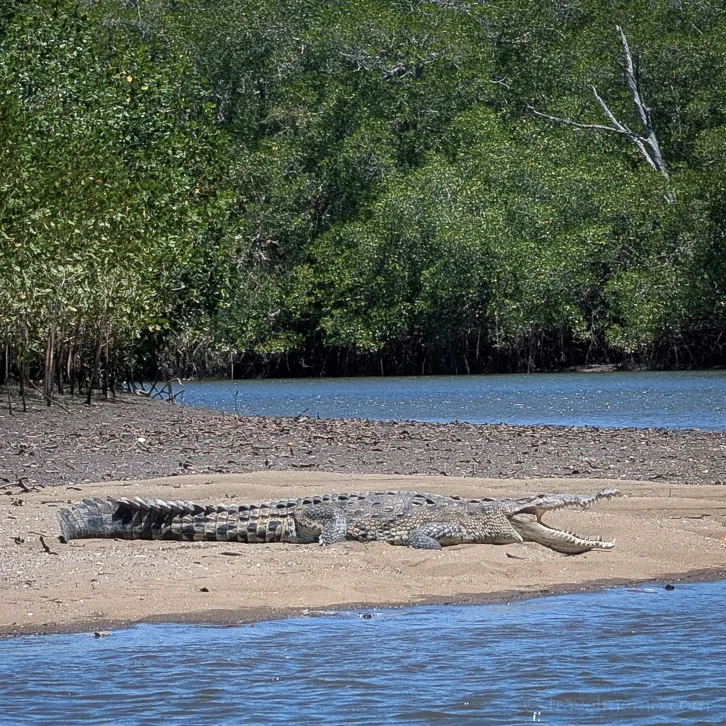
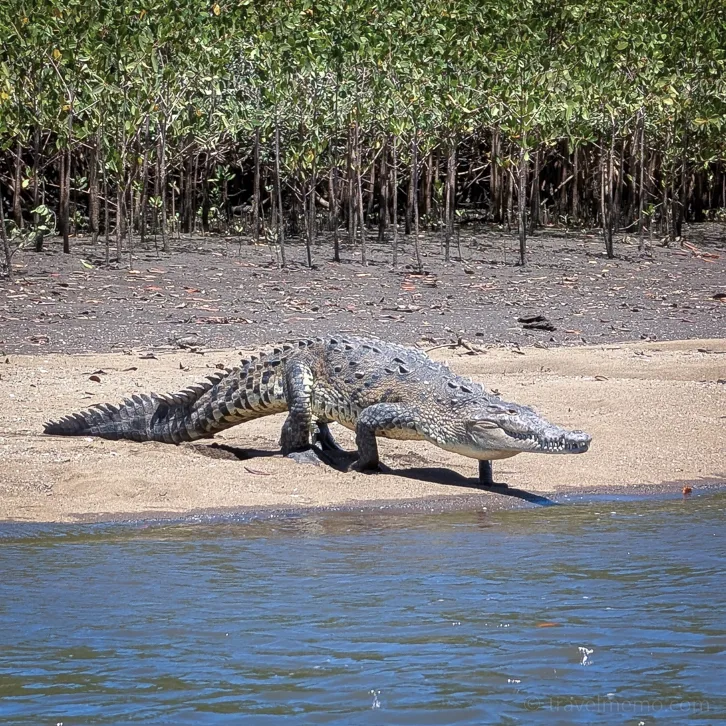
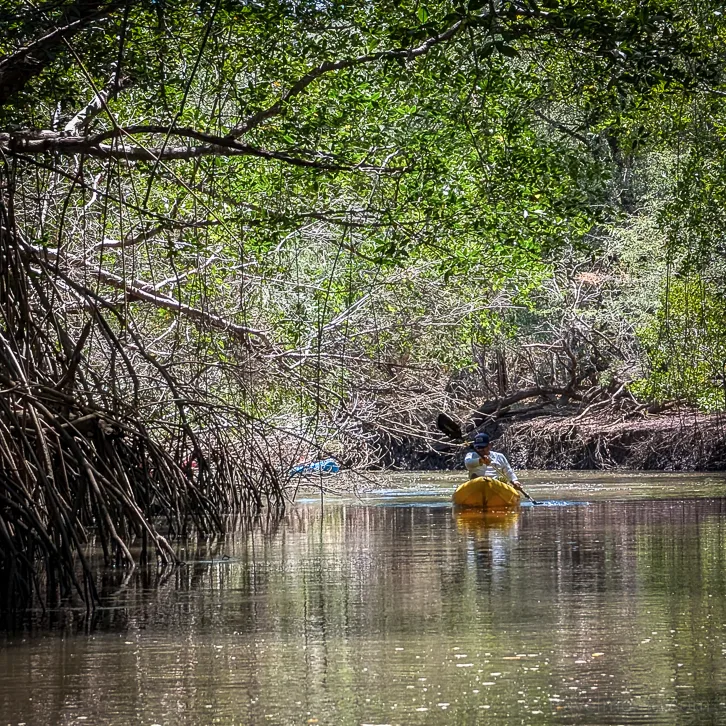
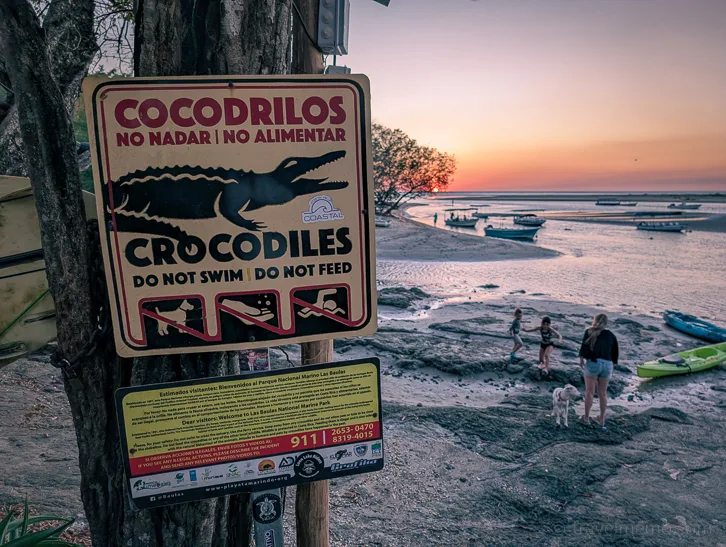
Unless, that is, you cross paths with a hungry crocodile. From our boat, we watch the kayakers with a certain amount of concern…
Tamarindo: Energy, Beach and Pura Vida
Tamarindo is the last stop on our road trip. And somehow that fits.
After rainforest, cloud forest, volcano and national parks, Tamarindo brings long walks on the beach and relaxed evenings with good food.
The sunset is mandatory.
Las Baulas National Park: Mangrove Forest and Wildlife
The Las Baulas National Marine Park is best known as a nesting site for leatherback turtles. Depending on the season (usually October to February), they come ashore at night on Playa Grande, right next to Tamarindo.
It’s one of the largest leatherback nesting sites in Central America, right on the doorstep.
By day, a mangrove tour along the park’s quiet channels is well worth it. We climb into the boat early in the morning.
The water is calm, almost mirror-smooth. Our guide steers slowly through the narrow channels, dense mangroves on either side. At first, everything seems still.
Giant iguanas lie on the sandbanks, as if placed there on purpose.
Then you spot a motionless crocodile on the bank, as though it were stuffed.
Until it does move after all, sinking into the water with a startling, ghostly slowness.
I glance over at the kayakers, eyes wide, a little concerned…
Again and again the guide cuts the engine and waits until you spot for yourself what he saw long ago.
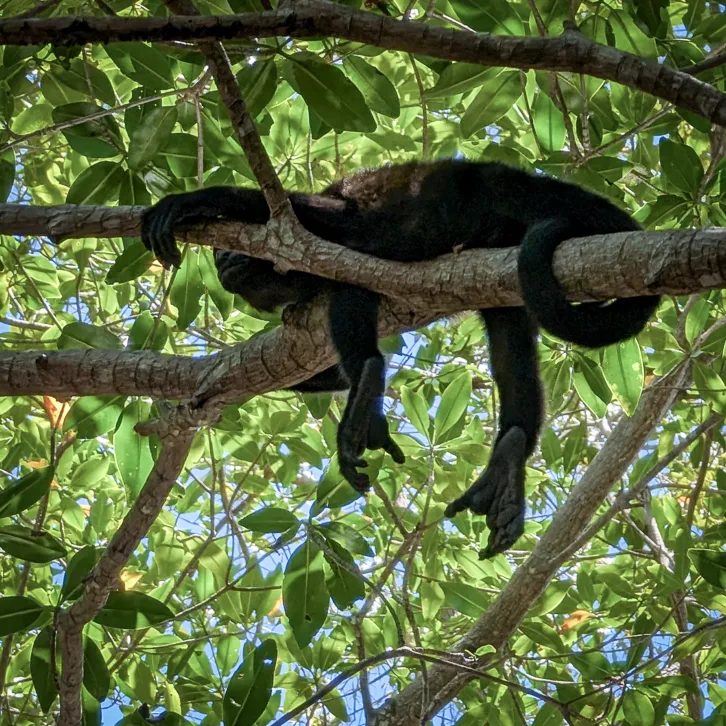
Higher up in the branches hang howler monkeys — silent, for once. They’re enjoying Pura Vida too!
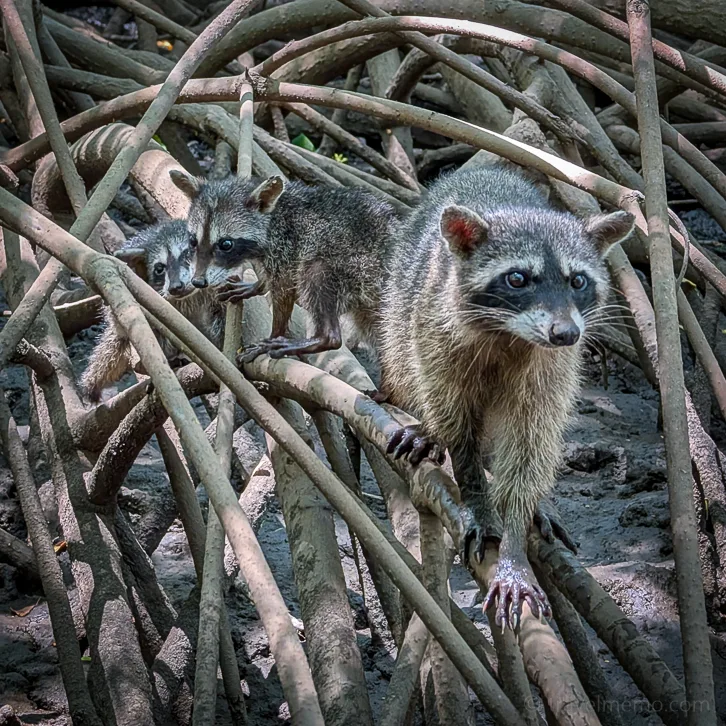
And then, just before the tour ends: a raccoon with two young. It moves carefully along the branches, stopping again and again to look back at us. For a moment we watch each other. Neither of us moves.
That’s the moment you carry home with you.
Practical Tips for the Baulas Mangrove Tour
Start early in the morning: more wildlife, less heat, calmer water. Bring insect repellent — the mangroves are generously stocked with mosquitoes!
The tour lasts about 2 hours and costs around USD 45 (as of March 2026). We booked through GetYourGuide.
If you prefer something more active, book the kayak instead of the boat. But then again, those crocodiles… I’m not so sure?
Tamarindo Restaurant Tips
Tamarindo has a surprisingly good restaurant scene, from laid-back to upscale, almost all of it right on or near the beach.
Tabú is our pick for sunset. Built right on the beach with bamboo and local natural materials, the restaurant feels like a cross between Bali and Costa Rica. Tapas, ceviche, fresh fish, and live bossa nova and jazz. Happy hour from 4:30 p.m.
Ocho Beach Club belongs to the boutique hotel of the same name and has made a name for itself as a destination in its own right. International cuisine, creative and fresh. The setting among coconut palms and white sand is especially lovely in the evening.
Agua Salada is the more local tip: a family-run spot just north of the center, where the Río Tamarindo meets the sea. Grilled whole snapper, Peruvian ceviche, grilled octopus. Just right for a relaxed lunch.
Conclusion: Tamarindo as the Final Act
Tamarindo isn’t exactly THE highlight of our trip. But it’s the right way to end it.
And the sunset here is more than just a beautiful moment at the close of the day. It’s the emblem of the whole journey. The sun sinks slowly behind the Pacific, the light turns golden, then orange, then gone.
On the beach sit people from all over the world. Somewhere, music is playing. And more and more, we feel why Tamarindo belongs at the end of the trip.
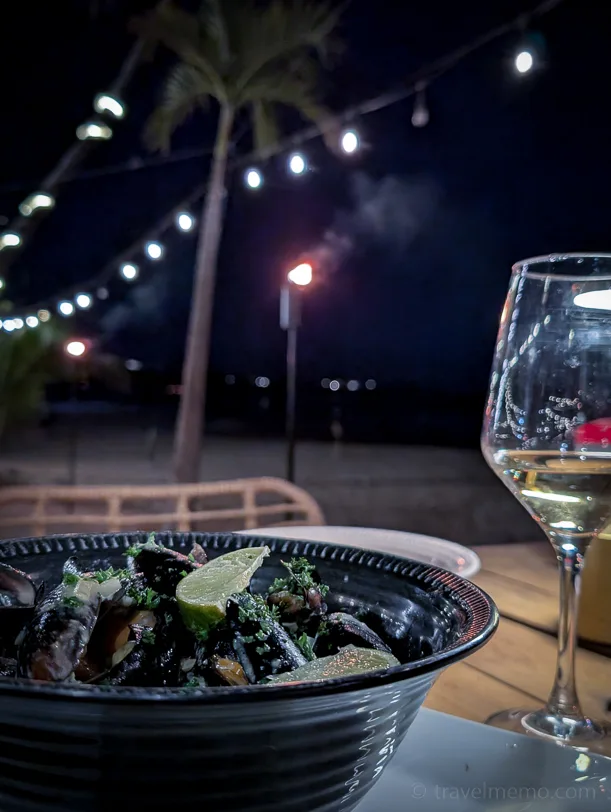
With a glass of wine on the terrace at Tabú, the sound of the waves in the background, and the knowledge that the flight home leaves tomorrow: this is how our Costa Rica road trip ends. With a smile, a little tiredness, and the quiet wish to stay just a few more days.
Liberia International Airport, by the way, is only 1.5 hours away. It arrives faster than you’d like.
The rental-car drop-off is a little before that; from there a shuttle takes you to the airport.
Tamarindo is the last stop on our two-and-a-half-week Costa Rica road trip, from Uvita along the Pacific coast up to the Guanacaste coast.